
Cystic Fibrosis and Mental Health
Cystic Fibrosis and Mental Health
Sammantha Marino, LPC-A, NCC
I recently had an opportunity to facilitate a small breakout group for a CF Circle hosted by the CF Foundation regarding CF and mental health. What was originally outlined as a place for support regarding the different connections between a Cystic Fibrosis diagnosis and the various mental health challenges turned into a much larger message. One of the most common themes I heard from participants was the impact of the topic of mental health in the CF space, and how absent it was until recently. I still think about that takeaway, for some CF patients, mental health support does not go beyond the walls of the CF clinic or the PHQ-9 administered once a year. Within the community of CF patients, their individual support systems and care teams, mental health may not be viewed as an equal to physical health symptoms addressed. I was relieved to hear from CF Circle participants that they felt that this has been changing in more recent years; however, the volume of people who desired more accompaniment between mental and physical health was astounding.
The conversation about Cystic Fibrosis and mental health feels like my two worlds colliding into one. I am a 24-year-old woman with Cystic Fibrosis. I was diagnosed with CF in utero, and I have never known a life without the weight of CF. I remember being a young child and the sympathetic looks and the “you are so strong” comments from people I interacted with. I recall politely accepting their praise in the moment, but never giving it a second thought. What was strength? My body is constantly fighting to breathe, to get out of bed, or to function like the people who would say these things. My body was physically weak. What is this strength they are talking about? At that time, I never thought that they could be referring to the mental strength it takes to live a life that looks normal to a stranger, but having the interworking of your body working against you, while still completing the tasks considered “essential and normal.” I recall people commenting on my bubbly personality, my ability to be happy, and my ability to laugh as if it were a novelty for someone in my position. It wasn’t until high school that I found myself actively realizing they were never referring to my physical ability to lift weights as strength, and they were genuinely surprised by my level of happiness. All this time, they were talking about my mental health, my mental fortitude, and my ability to persevere.
During this same time in high school, I found myself mentoring other teens my age with CF who were struggling to manage the desire for a normal day-to-day and the demanding needs of CF. This was the first time I can remember thinking about the mental health space needed in the Cystic Fibrosis community. From here, I decided I wanted to contribute to the CF community and beyond to foster conversations about mental health. I went on to college and received my bachelor’s degree in psychology. From here, I went on to receive my master’s in Clinical Mental Health Counseling and am currently a practicing Licensed Professional Counselor Associate (LPCA) in my home state of Connecticut. Conversations surrounding mental health and wellness were becoming a normal part of my day-to-day in my professional journey through college and graduate school. I had a solid base of what mental health challenges looked like for someone with chronic illness, and I knew this would become my specialty area as a therapist.
Some would say that everything happens for a reason or that the universe works in mysterious ways. Although these topics have been connected all my life, during my junior year of college, they became even more connected. I was receiving IV antibiotics for a MAC lung infection. Over the course of treatment, I was frequently monitored for any potential hearing loss or additional side effects. My hearing was declining slowly at first, and I did not notice much challenge in my day-to-day life. Over time, I began to struggle more to hear and understand the people around me. I remember the day I saw that vast drop in my hearing. A piece of me died that day. I experienced a severe depressive episode. I would not leave my room, eat, or speak to others. I would sit on the floor of my bedroom and stare at nothing. That happiness that people used to speak about was gone; I was blank. I found out I needed Cochlear Implants, and my life felt like it would never be the same. These events pushed me to seek counseling and address my own mental health challenges related to CF. At the time, I couldn’t see it or acknowledge it, but I would not be the therapist I am today without these events in my life. At this moment, I knew how pivotal mental health care for CF patients was.
Cystic Fibrosis patients experience various mental health challenges such as anxiety, depression, grief, trauma, and more. Although those major themes are summed up into four small words, the complexity of these experiences is much larger. Anxiety can be felt when entering public spaces, going to clinic, talking about the illness, health-related anxieties, or end-of-life anxiety. Depression can translate to a lack of motivation, which can create challenges in completing treatments or remembering to take medication. Trauma can leave patients in a state of fight or flight related to illness, it can foster fear regarding procedures, or fear about what is unknown about CF as patients age. Licensed Clinical Social Worker, Andrew Matusiak, shares that the organs in general can store trauma, and the vagus nerve is the highway that dictates the flow of energy to and from the organs and the brain. For CF patients who have received a lung transplant or other surgeries, if the lung is traumatized through surgery, there would likely be a reduction in the flow of the vagus nerve, leaving room for breakdown and trauma storage.
Separate from diagnoses, it is important to acknowledge the mental strength it requires to be able to complete “day-to-day, normal” life tasks. Various research suggests that total energy expenditure for someone with CF is 12-23% higher than that of healthy peers. These “day-to-day, normal” life tasks are often seen as requirements of life, glazing over the impact of mental health and additional emotional space required for completion. Additional statistical points suggest that individuals with a Cystic Fibrosis diagnosis are 2-3 times more likely to experience mental health-related challenges; 1 in 3 adults with CF reported having experiences with anxiety and depression. In the adolescent CF population, 20-30% have reported experiencing mental health-related concerns. The relationship between mental health and Cystic Fibrosis is highly correlated, meaning they each have an impact on each other. Declining lung function can cause an increase in mental health symptoms, just as an increase in mental health symptoms can cause a decrease in lung function. The Cystic Fibrosis Foundation recently released information about safety labels added to CFTR Modulators. The information shared by the foundation states that some patients experience new or worsening mental health symptoms following the addition of CFTR Modulators.
As a human, a CF patient, and a mental health professional, I have experienced several different sides of the transactional relationship between mental and physical health. Talking about feelings and mental health can be a tough conversation; however, without pain or sitting in discomfort, we cannot gain. A conversation alone will not change the CF diagnosis of you or someone you know; however, it can create a shift in mindset and perspective, and allow individuals to get the support they need. My parting thought, I am going to leave you with a quote I have tattooed on my arm,
“Mind over Matter.”
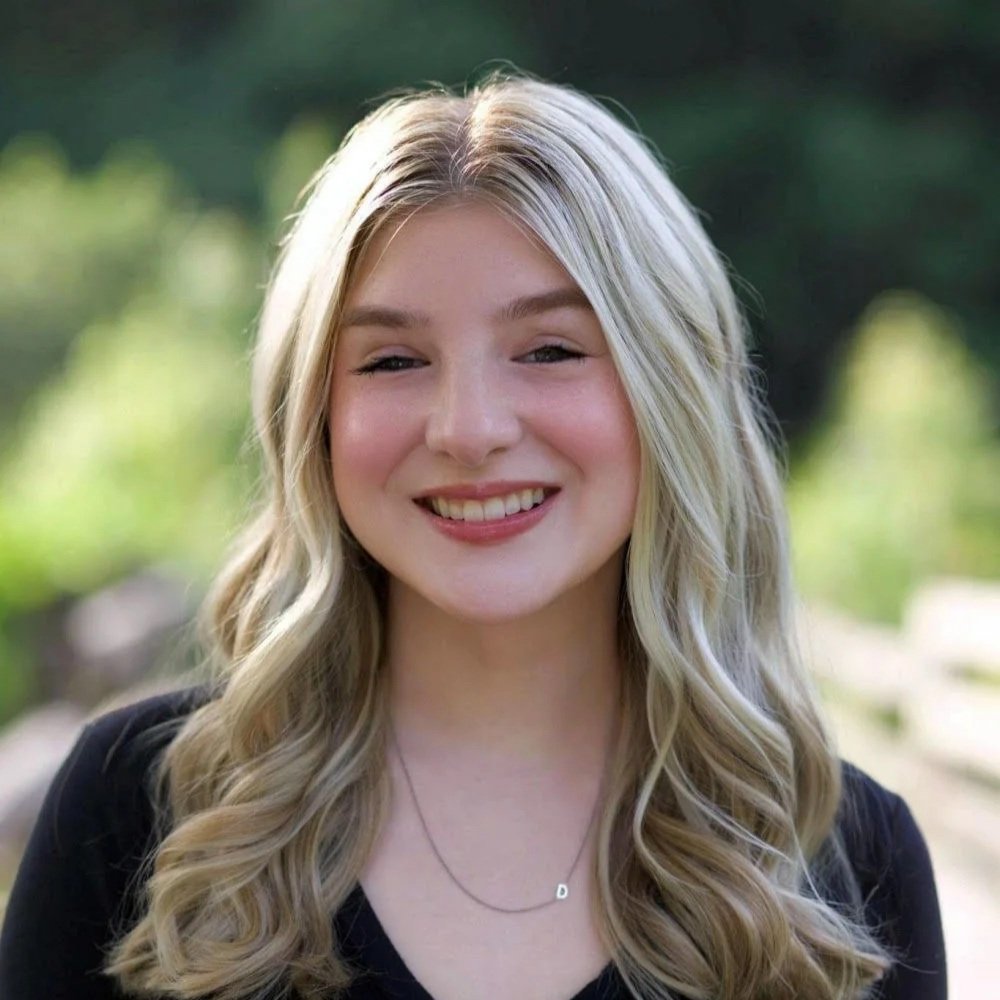
Sammi Marino, LPC-A, NCC is a lifelong member of the cystic fibrosis community, advocate, and future mental health counselor currently earning her master’s degree in Clinical Mental Health Counseling at Sacred Heart University. Her experiences growing up with CF, along with losing her hearing a few years ago, inspired her passion for advocacy, storytelling, and helping others feel less alone. Through writing, public speaking, and outreach, Sammi hopes to continue raising awareness and honoring the kind of impact Claire Wineland made on the CF community.